

Role
Accounting
How do you know the rule you post a given type of document under is still current? The regulations and the interpretations change during the year, and accountability for an entry carries a name.
Intro call
Four questions we would start with
How do you know the rule for posting a given type of document is current?
Usually: because that is how it has been done. That works until the first change in the law or an interpretation - and then you correct retrospectively, because nobody noticed anything had changed.
What do you do when the document and the system say different things?
When the invoice shows one amount and the order another, settling it takes a few phone calls. The question is whether any record is left after those calls.
Whose desk does a document nobody can classify end up on?
Usually that of the most experienced person on the team - and they are the real bottleneck, whatever the division of duties says.
Which type of document repeats most often?
If the team can name three from memory, most of the work is repetitive - and yet every copy goes through the same manual steps.
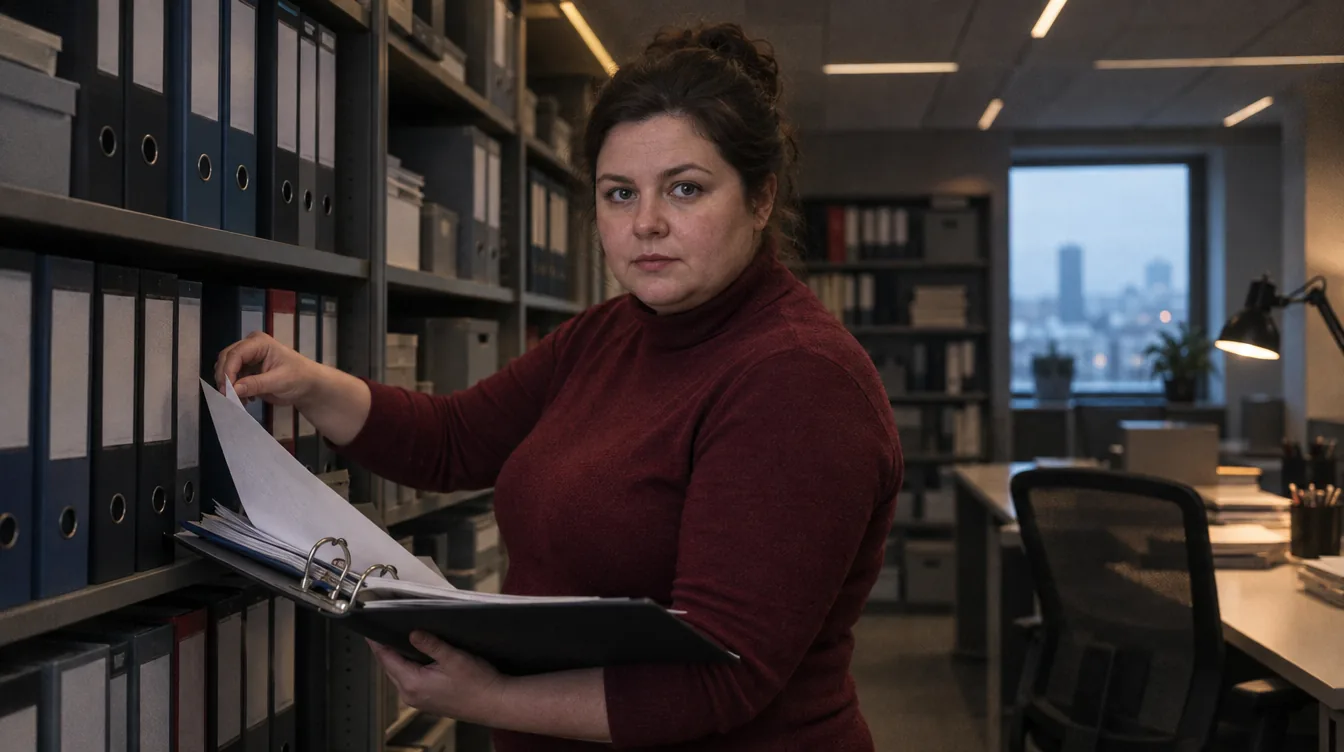
We take over the repetition, you keep the classification
A first-pass posting of repetitive documents, checking the period is complete and tracking changes in the regulations can be taken off the desk. Classifying unusual cases and accountability for the entry stay with the accountant.
- Every entry is approved by name. - The system prepares a proposal under your rules, not its own. The entry is created only after approval, and that approval is the signature.
- The rule is written down, not remembered. - For every type of document it is clear how we classify it and from when that rule applies. When the law changes, it is visible what it affects.
- A doubt goes to a person straight away. - The system does not pick the most probable account. An unusual document is flagged rather than posted on a guess.
Scope
What can be taken off accounting work
Nineteen example tasks. Each one has a human approval point. Below is a selection, and the scope we fit to your process.
Posting and classification
- A proposed posting for repetitive documents (approved by: the accountant)
- Recognising the type of document and matching it to a rule
- Flagging documents unusual against the counterparty's history (classification: the accountant)
- Checking the rates and markings are correct
- Detecting a document already posted
Checking the month is complete
- A summary of documents awaiting posting
- Detecting gaps in the numbering of your own documents
- Pointing out counterparties whose document usually arrives and did not this period
- Checking the registers agree with the ledger
- A list of entries needing correction before the close
Changes to the rules
- Monitoring changes in the regulations affecting your industry (assessment of the effects: the accountant)
- Pointing out the types of document a change affects
- A register of posting rules with the date they apply from
- The history of how a given type of document was classified before
Reconciliations, evidence, archive
- Pointing out accounts needing balance confirmation before the year-end
- Pointing out differences with the history of how they arose
- Checking the evidence behind entries is complete
- Finding the evidence for a particular entry
- Preparing a summary for an inspection or an audit
A day's work
Today
- Most of the day is documents that look like yesterday's and are posted the same way
- At an unusual document you go to a colleague with longer service
- You learn about a change in the law from a newsletter or from your accounting firm
- You check the period is complete at the end, by going through the registers
- At a question about an entry from a year ago you search binders
- The posting rules exist, but in the heads of a few people
With AI assistance
- Repetitive documents are waiting with a proposed posting for approval
- An unusual document is flagged as unusual before you sit down to it
- A change in the law arrives with the types of document it affects pointed out
- You see gaps in the period as you go, not at the end
- You find the evidence for an entry straight away, from the entry itself
- The rules are written down with the date they apply from, so they can be handed over
- Safety of accountability
fewer entries made from memory and in a hurry
repetitive work stops competing for attention with the difficult cases
- Current rules
a change in the law reaches the specific types of document
the rules are written down, so it can be shown what a change affects
- Time for the hard cases
an unusual case gets the attention it deserves
it does not compete with a hundred routine documents
- Complete evidence
an inspection and an audit are shorter
the evidence is linked to the entry rather than hunted through binders
We start with one type of document, not with the whole ledger.
- Step 1
We write down the rules you already apply
For the most frequent types of document. The exercise has value in itself - it usually reveals that two people on the team post the same thing differently and both are convinced they are right.
- Step 2
One type of document, every entry approved
A proposed posting for repetitive documents, approved without exception. We measure how many actually need correcting.
- Step 3
Checking the period is complete
Gaps, missing numbers, unusual patterns. It works straight away and asks nothing of other departments.
- Step 4
Changes to the rules and the evidence archive
Last, because they rest on the register of rules from step 1.
Common questions
Questions that come up at the first meeting
Does this mean we need fewer accountants?
Accounting rarely has a surplus of hands - it usually has a surplus of deadlines. Taking over the posting and the completeness checks does not change the number of duties, only how many of them are done in the last two days of the month. A team that is not working in race mode makes fewer errors and has time for the reconciliations that today roll into the next period.
Does this fall under the AI Act?
Supporting posting is not a high-risk use. What does apply are the accounting act's requirements on evidence, the audit trail and accountability for the entry - and those stay entirely with a person, which here is a deliberate construction rather than a limitation.
Still have a question that is not here? Book a call

Next step
What share of your team's work is documents that look like yesterday's?
We will show you what a month in accounting looks like when routine stops competing for attention with the matters that genuinely need a decision.