

Role
Indirect procurement
Which spend recurs most often outside your contracts? Individually each one is too small to bother with - and together they can be larger than many a category from the main purchasing plan.
Intro call
Four questions we would start with
Which kind of small purchase comes back most often?
If you do not know, you also do not know whether it is worth consolidating. Repetition is the only reason a small purchase stops being small.
How do you know how much you spend outside framework agreements?
That number usually surprises - because it is made up of hundreds of transactions, none of which draws attention.
Who decides on a small purchase?
If it is anyone up to a certain amount, there is no control by design. The question is whether you at least see what was bought.
What do you not know about the suppliers of small purchases until you set the invoices side by side?
Usually: that you buy the same things from four suppliers at four prices, because every department has its own.
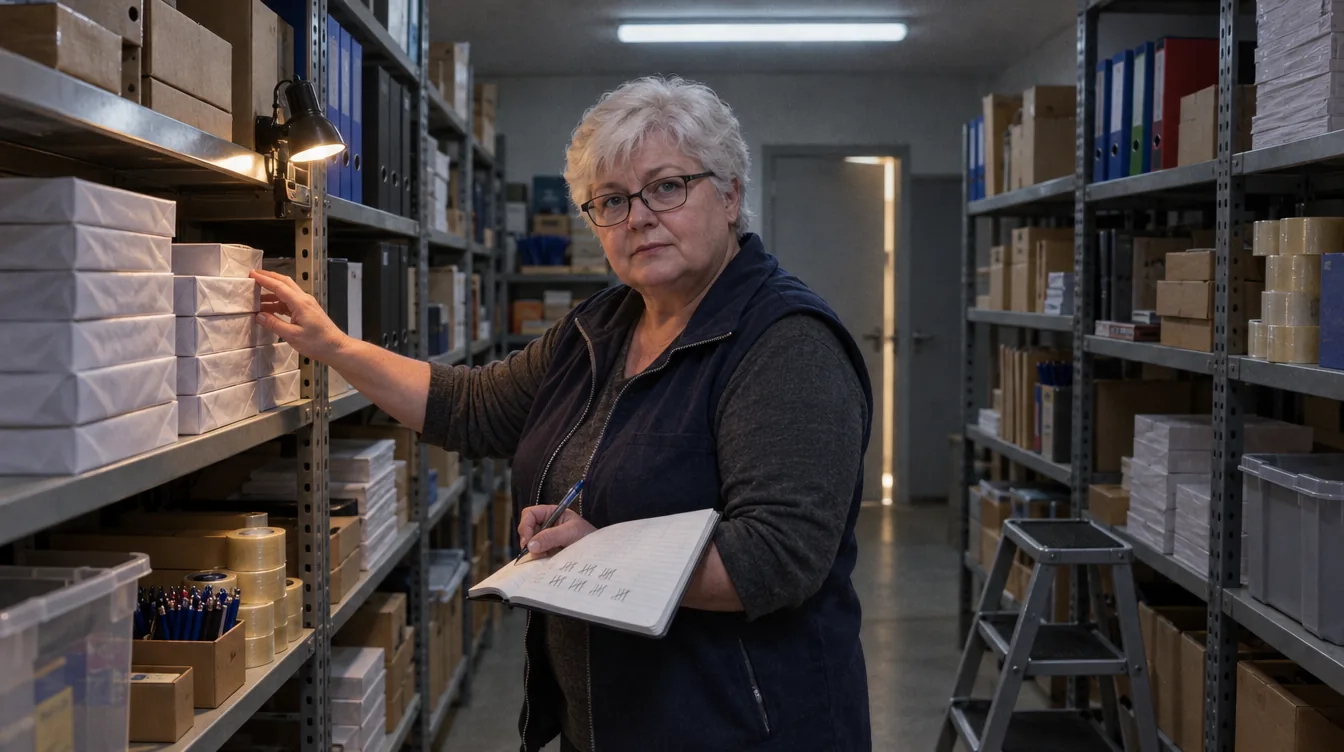
We take over the handling, you keep the decisions about consolidation
Taking in requests, ordering from catalogues, checking limits and summarising the spend can be taken off the desk. Decisions about suppliers and consolidation stay with a person.
- A small purchase has to be fast. - If the process is slower than buying something yourself, people will buy it themselves - and the spend will disappear from view.
- Limits work when they are visible. - The requester sees whether they are within the threshold before placing an order, not after approval.
- Scattered spend is brought together. - Only then is it visible what is worth covering by a contract and what to leave.
Scope
What can be taken off indirect procurement
Eighteen example tasks. Each one has a human approval point. Below is a selection, and the scope we fit to your process.
Requests for small needs
- One route for a request whatever the department
- Pointing out whether the item is available in a catalogue or a contract
- A proposed substitute from a framework agreement (choice: the requester)
- Order status visible to the requester
Suppliers and catalogues
- A signal about a supplier used outside the catalogue
- Supplier catalogues with current prices
- Detecting the same item bought from different suppliers
- Comparing the prices of recurring items
- Suppliers summarised by number of transactions and value
Approvals and limits
- Checking the limit before an order is placed
- Routing for approval by threshold (decision: an authorised person)
- Detecting purchases split into parts below a threshold (assessment: the specialist)
- A register of approvals
Settlement and analysis
- Spend summarised by requesting department
- Linking the invoice to the order and the request
- Pointing out invoices with no order
- Indirect spend summarised by category and department
- Pointing out categories suitable for a contract (decision: the specialist)
A day's work
Today
- Requests arrive by email, from different departments, in different forms
- You place every order by hand with a supplier you know
- You learn about a purchase outside the process from the invoice
- You do not know how much you spend on a given category in total
- The same thing is bought in four places
- You explain invoices with no order after the fact
With AI assistance
- Requests come in by one route, with whether it is available in a catalogue
- Repeat orders are placed from the catalogue, you approve them
- The limit is visible before an order is placed, not after
- You have the spend by category summarised as you go
- You can see where you buy the same thing from different suppliers
- An invoice with no order reports itself
- Visible scattered spend
it is known what small purchases really cost
the transactions are summarised by category rather than only posted
- Time to handle a small purchase
the process stops being slower than buying it yourself
catalogue orders need no manual work
- Keeping to the limits
fewer purchases bypassing approval
the limit is visible before the order
- Consolidating suppliers
the same thing is not bought in four places
the fragmentation is visible as a summary
We start with the spend summary, not with the process.
- Step 1
We assemble the picture of indirect spend
Every small purchase from the last year by category. That number is usually enough for the subject to stop being a footnote.
- Step 2
One route for requests
For the highest-volume category. It removes most of the manual work.
- Step 3
Catalogues and limits
Catalogue orders and threshold checks before placing.
- Step 4
Consolidation
Pointing out the categories suitable for a contract. Last, because it needs the data from steps 1 and 2.
Common questions
Questions that come up at the first meeting
Does this mean we need fewer people for small purchases?
In most companies small purchases have nobody assigned - everyone does a bit of them, and that is where the spend nobody has added up comes from. Taking over the requests and the catalogues removes nobody's job; it removes work scattered across the whole company that nobody counts as theirs. That is a different conversation from headcount.
Does this fall under the AI Act?
Handling purchases is not a high-risk use. The point to watch is detecting purchases split into parts - that is a pointer for a person to check, not an accusation against an employee, and it should be communicated that way.
Still have a question that is not here? Book a call

Next step
How much did you spend last year outside framework agreements?
We will show you what handling small purchases looks like when a request goes by one route and scattered spend is visible as a total.